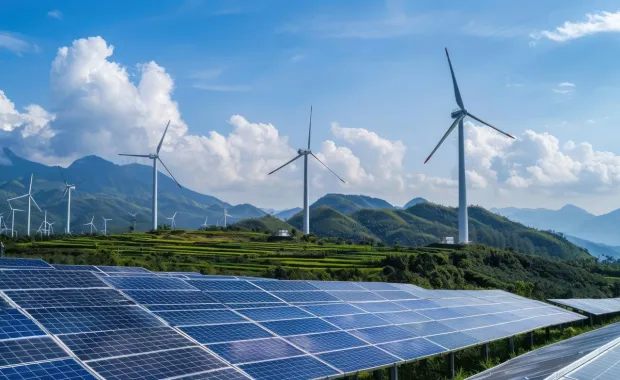
With smart homes, electric vehicles and more digitally driven industries, there’s no doubt about it: energy demand is on the rise. To keep up with these demands at scale, utility organizations must focus efforts on modernizing their grid and IT systems. When you have a passionate team, helpful tools and technology and a united goal for the future, energy and utility modernization is within reach.
Why does utility modernization matter?
Utility and energy modernization is a necessary investment to ensure your organization can handle the ever-changing energy landscape. In this industry, if infrastructure becomes outdated or unreliable, it can become costly and more prone to damage after a disruption. Modernizing your grid improves your system’s reliability, increases overall efficiency and enhances organizational flexibility.
Between the increasing demand for energy, frequent weather events and sophisticated cyberthreats, it’s clear that the need for uninterrupted and resilient power supplies is essential. If you work in the utilities industry and do not have energy modernization on your radar, it’s time to shift gears.
Main goals of energy and utility modernization:
- Resilience and reliability—Grid modernization transforms the infrastructure into a flexible and intelligent network capable of withstanding disruptions and minimizing downtime. Being able to ensure a continuous, secure power supply, despite said threats, enables you to protect critical services and emphasize efficient and rapid recovery.
- Clean energy—As AI data sources become more and more popular, the cries for clean energy grow louder. The eco-conscious approach of reducing greenhouse gases and transition from fossil fuels is a central goal for many organizations. In utility modernization, this can be accomplished by introducing smart technologies that enable the integration of renewable sources (such as wind, solar and hydrogen) and enhance grid flexibility.
- Meeting demand—Optimizing grid modernization is the key to ensuring reliability amidst rapidly increasing consumption. The shift away from earth-damaging fuels has caused a massive surge that legacy systems cannot support. Rather than building new power plants to keep up with demand, modern systems can match supply in real time, reducing or shifting usage as needed.
- Enhanced security—Cybersecurity is a top concern for the modernization of any industry, but especially energy. Utility organizations rely heavily on interconnected smart grids and renewable energy sources, both of which are vulnerable to cyberattacks (especially in early implementation stages).
- Affordability—Lowering consumer costs and offering personalized energy management solutions are just two of the economic benefits that come with utility modernization. Modernizing grids is proven to lower long-term costs for ratepayers, improve system reliability and prevent low-income households from being disproportionately impacted by price spikes.
Navigating the future of utilities
Balancing the unique complexities of grid modernization and handling demands from consumers is no easy task. We have come to expect electricity to be instantaneously accessible, reliable and environmentally sustainable. This new age will have a profound impact on the industry as a whole—and with unprecedented growth comes a new need for preparation.
5 trends for utility modernization in 2026:
- Providing transparency and data-backed cases to gain public trust and regulatory approval
- Investing in clean, governed data to enable more confident decisions across operations
- Strengthening defensives, teams and systems to handle talent shortages and cyber risks
- Focusing on data-driven affordability strategies to handle rising rates alongside customer expectations
- Overhauling planning cycles and modernizing grid infrastructure to maintain continuous reliability
What part does AI play in utility modernization?
For the utility industry, artificial intelligence is no longer a “maybe”—it’s a must. From strengthening customer-company relationships to accelerating system integration and improving your grid, AI technology can drive measurable business impact. AI provides endless potential for organizational transformation—it’s just a matter of learning how to use it.
If you work with a consultant, they will likely encourage leveraging AI to accelerate growth and change in your utility organization. The recently developed technology is capable of redefining operations, accelerating priorities and answering fundamental questions leaders ask. Depending on your organization’s needs, AI can be used to scale upgrades at a never-before-seen speed, make room for innovation and shift operations from reactive to predictive—and that’s just to name a few.
Key considerations during utility modernization:
- IT/OT infrastructure integration
- Data protection
- Distribute Energy Resources (DERs)
- Grid hardening
- Advanced analytics and AI technology
- Customer-centric approach
- Skill development
- Cost management
- Stakeholder engagement
What are the main challenges to utility and energy modernization?
When it comes to energy modernization, aging and incompatible infrastructure are the top concerns. With the vast majority of U.S. transmission lines being at least two decades old and typically designed for fossil fuel power, modernizing grids is a vital first step in the road to growth. Once those systems are upgraded, the next steps in your strategy can commence.
How does CGI approach energy and utility modernization?
CGI values transparency in everything we do—and modernizing grids for utility organizations is no different. If you choose to work with a CGI business consultant on your project, our experts will examine the entire value chain of your utility, from production and transmission to distribution and utility supplies, to focus on the end-to-end needs of your organization.
After providing industry-specific consulting and deciding which systems and grids to modernize, we’ll work together to navigate the transition and secure a competitive ranking in your field. Our cost-effective approach focuses on updating legacy technology and making room for you to refocus on the programs that support your workforce through industry-leading solutions. Whether you work in electricity, downstream gas, water or waste, CGI is here to help. The results speak for themselves.
CGI solutions for energy modernization:
- CGI OpenGrid DERMS: designed to deliver complete visibility and control of distributed assets across your network, CGI OpenGrid DERMS provides you with end-to-end intelligence, unlocks new revenue streams and opens doors to other strategic advantages
- CGI OpenGrid360: includes powerful digital tools created to improve network performance, enabling you to make smarter decisions and develop a more sustainable grid to stay ahead of the game
Start your journey to energy modernization today
Contact CGI to start the conversation about your strategic plan for energy modernization today.