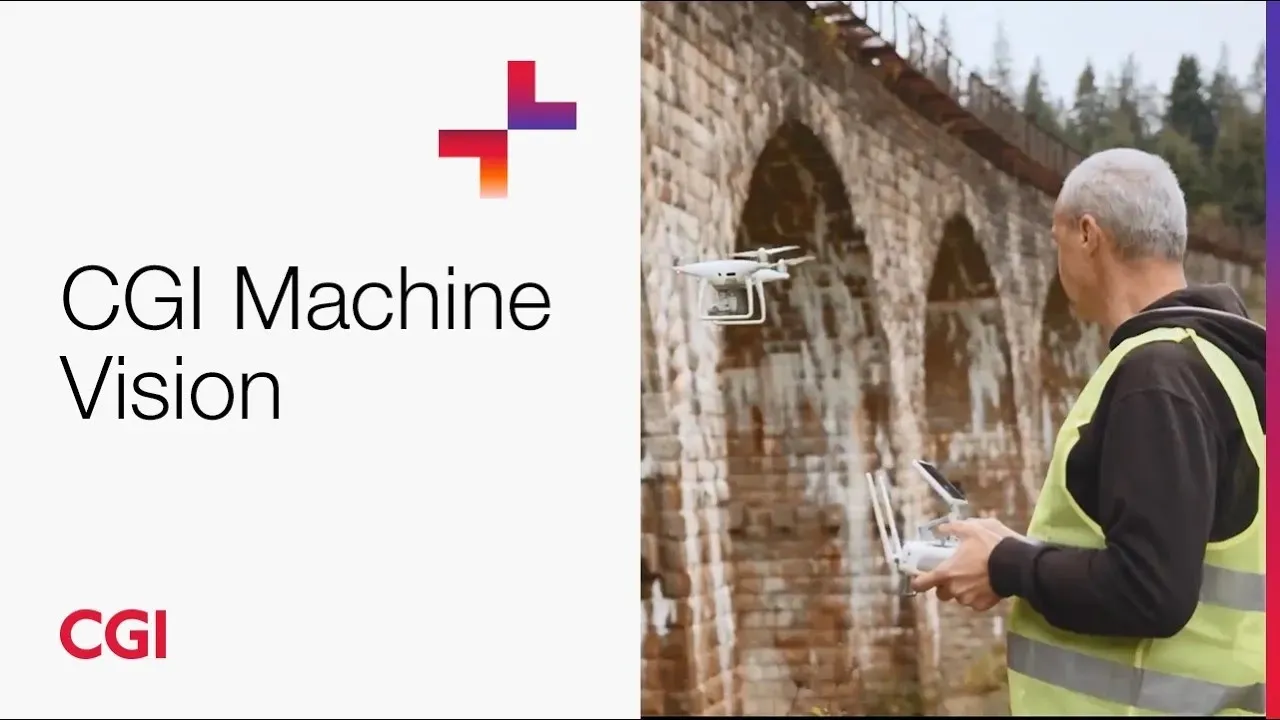
To play this video, enable Statistics cookies. Google/YouTube may process your data – Learn more.
What is CGI Machine Vision?
CGI Machine Vision is a computer vision solution that combines AI, machine learning and edge computing to analyse visual data from cameras, drones and other IoT devices directly at the source.
There are many scenarios where physical, human inspection of assets is impractical, or where monitoring by video or camera produces data that cannot be usefully interpreted. CGI Machine Vision works to change the economics of visual (physical or traditional sensor-based) inspection.
CGI’s Machine Vision solution is a combination of:
- vision capture or other sensors (Internet of Things (IoT)) producing data,
- at the point-of-capture ‘edge compute’ generative AI processing, and
- analysis which draws on AI and Machine Learning to interpret photos and videos in a human-like way, in fact exceeding the capabilities of a ‘naked’ human eye
- integration of the processed information into data operations.
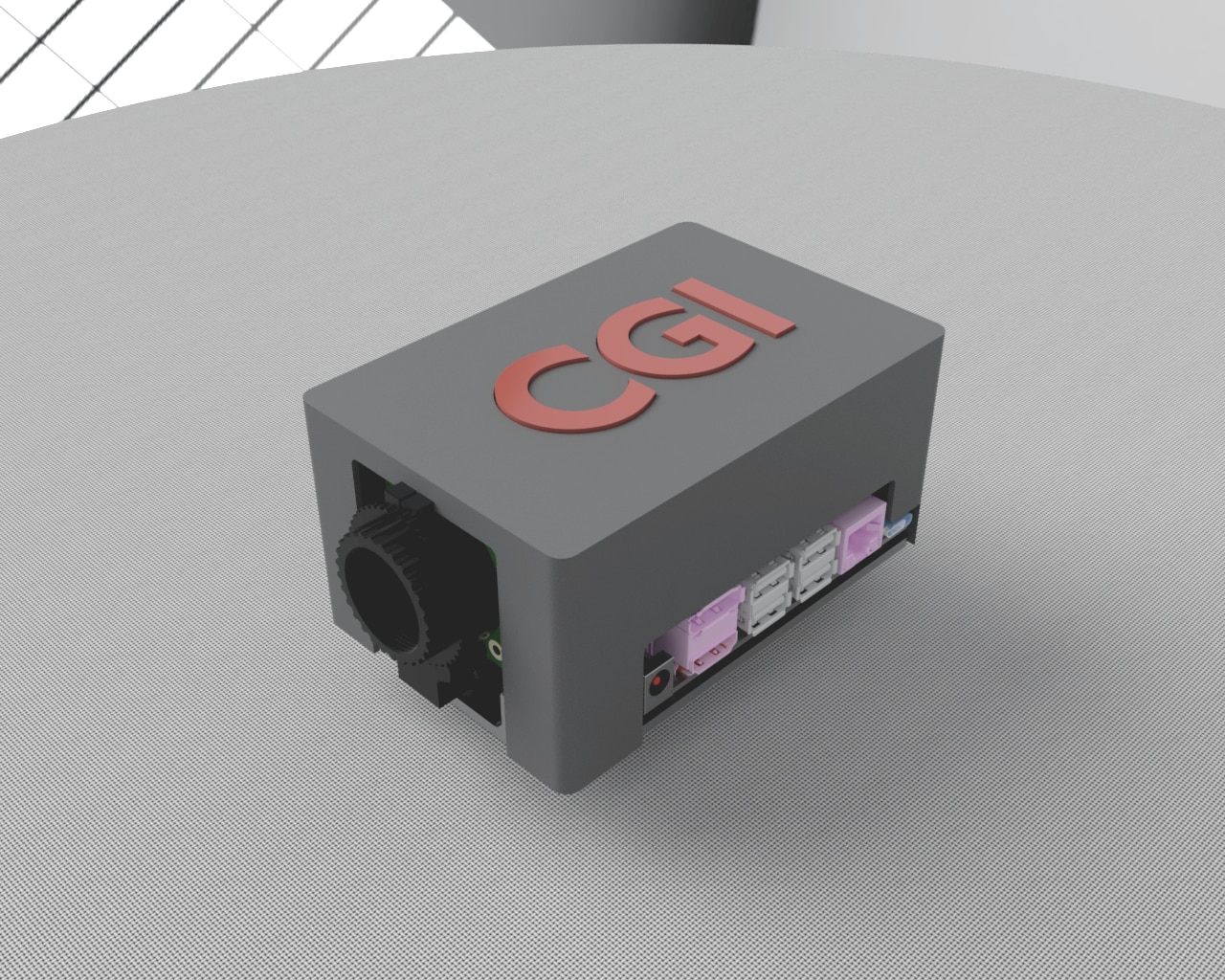
CGI Machine Vision can be applied in any industry, adding value to a wide range of scenarios. Anywhere that photos or videos are used for monitoring, CGI Machine Vision’s AI vision analysis can help reduce operational costs, ensure regulatory compliance and improve safety. Common scenarios include:
- Large events, retail spaces, and other heavily crowded areas
- Unmanned infrastructure such as water treatment plants, dams, pipes and substations
- Bridges and railways for flood and erosion monitoring
- Highways and roads for infrastructure monitoring and registration plate extraction in real-time
- Conveyor-based operations in logistics, manufacturing and mining.

For businesses leveraging CGI Machine Vision’s artificial intelligence analysis, real-time responses become possible, enabling the adoption of predictive and proactive operational models. Asset resilience and availability is enhanced, and sustainability, safety, and regulatory compliance are also significantly improved.
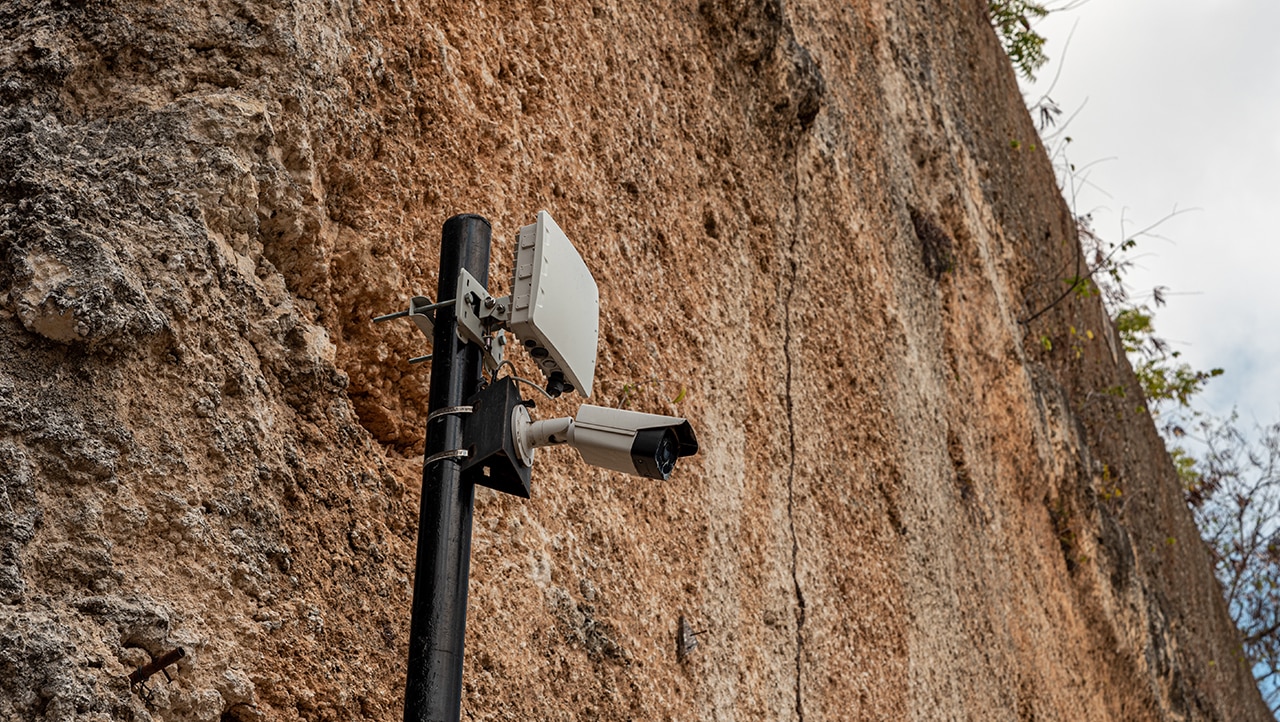
CGI Machine Vision can:
- Increase data quality by improving the velocity, accuracy, efficacy, and efficiency of visual inspection
- Increase the availability and speed of real-time data analysis
- Reduce latency of sending image and video streams to the cloud
- Reduce cloud storage and data transfer costs incurred sending data to the cloud for analysis
- Capture more data points, more frequently, without increasing the cost of data
- Deploy always-on, automated solutions that are not dependent on human resources
- Implement use cases, previously impractical and/or impossible