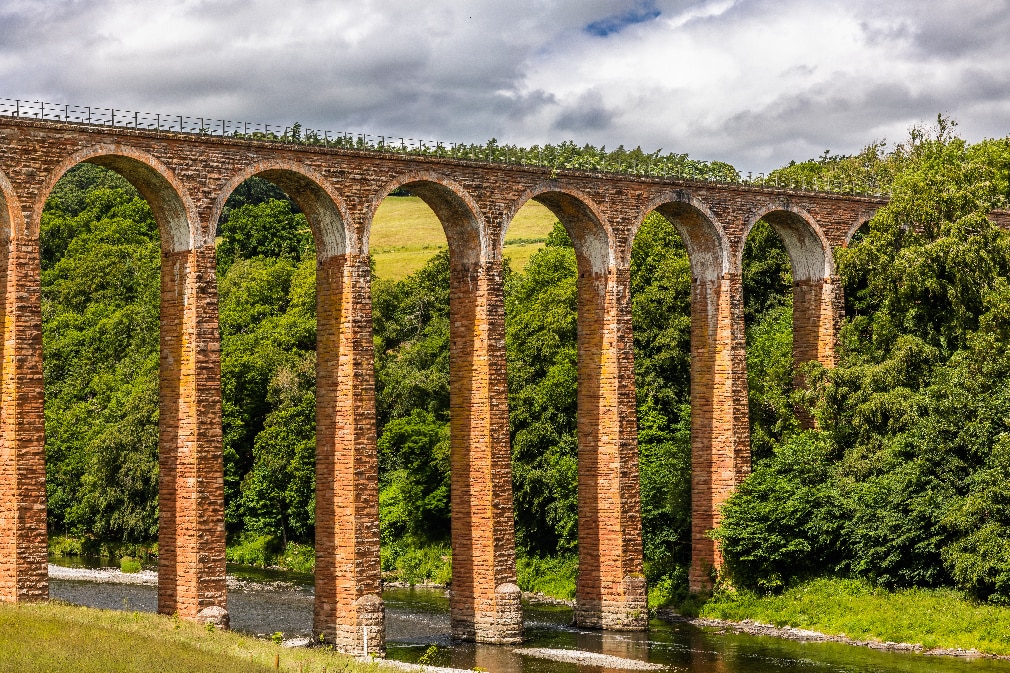
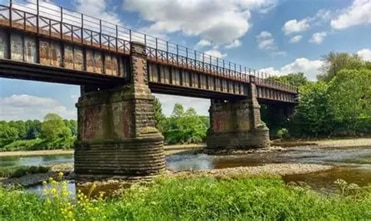
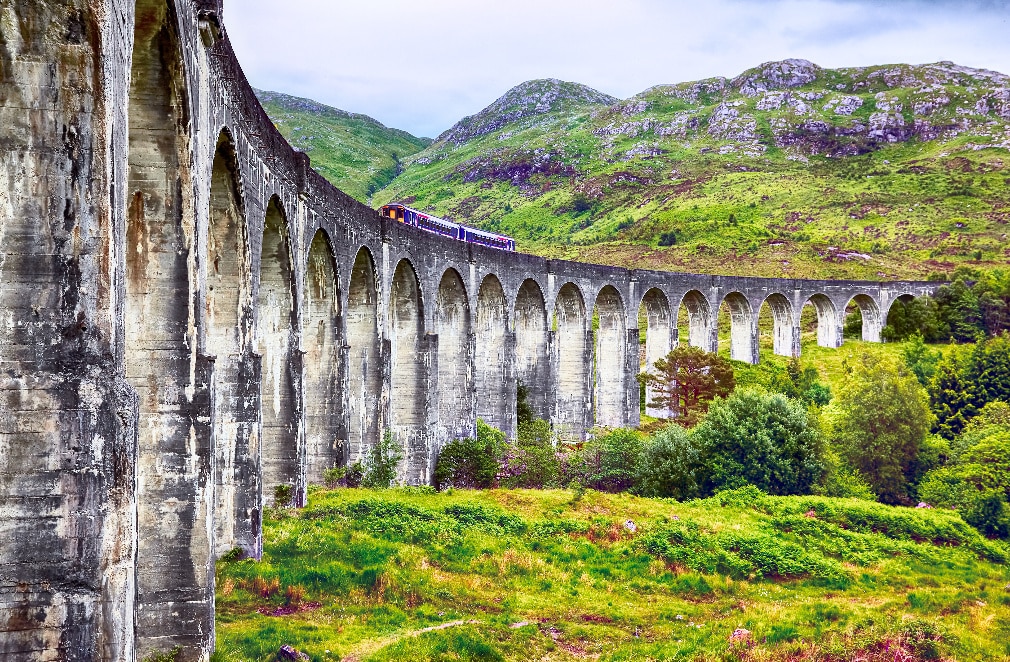
Network Rail manages and maintains over 30,000 bridges, tunnels, and viaducts across the UK railway network. With an ageing infrastructure facing increasing threats from extreme weather, ensuring the safety and reliability of these assets is a critical challenge. Scour, the removal of riverbed material caused by water flow, is a primary concern and represents the single largest cause of bridge failures worldwide.
Rising costs and increasing risks
Scour-related incidents cost Network Rail millions of pounds each year in direct expenses, not accounting for the knock-on costs should infrastructure failures occur, the associated maintenance costs, and train delay and disruptions. The increasing impact caused from climate change and increased extreme weather events means rainfall intensity and water flow rates through existing assets exacerbates the issue, making real-time monitoring of scour a priority to ensure passenger and engineer safety while minimising service disruptions.
CGI Machine Vision technology for proactive management
We partnered with Network Rail to deliver an innovative real-time scour management solution, employing our proprietary technology Machine Vision. This innovative approach enables continuous monitoring of scour by monitoring above and below water levels and harnessing data from commercially available ‘off the shelf’ sensor technology. The system gathers real-time data to detect structural risks, ensuring immediate insights are available to engineering for decision-making.
To enhance situational awareness, we integrated the sensor data into digital twin models, creating navigable 3D representations of critical bridges. These models offer a consolidated view of scour risk and structural health, enabling Network Rail to assess potential threats effectively and plan maintenance actions proactively.
Our end-to-end workflow manages the lifecycle of scour events, from detection to resolution, through a unified platform. By providing a holistic view of asset condition and risk levels, the system supports escalations and emergency responses with precision and efficiency.
Importantly, we have worked closely with Network Rail to design a scalable deployment pathway, piloting the solution on three representative bridges and establishing a clear roadmap for nationwide adoption. This ensures the benefits can be extended across the entire UK railway network, further improving safety and operational resilience.