
Organizations today face three distinct governance obligations: securing their systems, protecting personal data and ensuring their AI makes trustworthy decisions. Yet these areas are still largely managed separately, an approach that is becoming increasingly difficult to sustain.
This series of articles introduces the digital trust management system (DTMS), a unified governance framework that integrates information security (ISO 27001), privacy (ISO 27701) and AI governance (ISO 42001) into a single management structure—not because it is tidier, but because the nature of AI systems makes separation structurally dangerous.
The forces driving convergence
Three structural forces are pushing organizations to rethink how they govern digital ecosystems.
Data has become the primary economic asset. Modern organizations run on data. Protecting data is no longer just a cybersecurity concern; it is a business risk with significant privacy and regulatory implications.
AI is transforming decision-making. AI systems now influence hiring, credit scoring, healthcare diagnostics and operational automation. When algorithms make or assist decisions, governance becomes essential. But AI doesn’t just add a third governance domain, it fundamentally challenges the logic of keeping these domains separate.
A single AI system can simultaneously process personal data, make consequential decisions and run on critical infrastructure. It cannot be governed in thirds. When security, privacy and AI teams operate independently, the gaps between them are not merely administrative inconveniences; they are structural vulnerabilities waiting to be exploited.
Regulations are expanding rapidly. Across the world, regulations are converging around digital trust, including the GDPR, Quebec Law 25, PIPEDA and the EU AI Act. Organizations that manage security, privacy, and AI governance separately will struggle to scale compliance.
The risk of fragmented governance
Historically, cybersecurity in Canada focused on protecting infrastructure, and organizations structured their digital trust efforts around information security. Frameworks such as ISO/IEC 27001 helped establish robust information security management systems (ISMS).
The fragmentation problem is not new, but AI has made it dangerous in a way it never was before. When governance is fragmented, each team can do its job perfectly and still collectively fail.
- The security team hardens the infrastructure.
- The privacy team validates the data processing.
- The AI team deploys the model.
Each has fulfilled its mandate, yet no one has assessed the risks created by the system as a whole.
And organizations that maintain separate cybersecurity, privacy and AI initiatives face several structural issues:
- Control duplication. The same controls, such as access management, logging and risk assessment, are implemented multiple times.
- Governance fragmentation. Different committees manage security, privacy and AI without a unified decision-making framework.
- Regulatory blind spots. AI risks may fall outside traditional cybersecurity controls.
- Operational inefficiency. Multiple audits, overlapping assessments and duplicated reporting increase costs.
And yet no one owns the question: what happens when this model makes a decision that is secure, compliant and wrong?
That question has no home in a siloed organization. And in an era where AI systems influence credit decisions, hiring outcomes and clinical pathways, having no answer is no longer an option.
Three problems, one integrated model
The landscape has evolved. AI systems now influence economic decisions, public services and social interactions. Today, organizations must simultaneously manage three interconnected domains:
- Information security → protecting data, systems and infrastructure.
- Privacy and data protection → safeguarding personal data and complying with regulations.
- AI governance, risk & compliance → ensuring AI systems are trustworthy, transparent and controlled.
The standards already exist, and they are built to work together:
- ISO/IEC 27001: Information security management systems (ISMS)
- ISO/IEC 27701: Privacy information management systems (PIMS)
- ISO/IEC 42001: AI management systems (AIMS)
These three are certifiable management systems—they define what must be governed. Two further standards are not certifiable, but they provide the technical guidance that supports the implementation of these management systems:
- ISO/IEC 23894: guidance on AI risk management, adapting the ISO 31000 risk framework to AI-specific sources of risk.
- ISO/IEC 5338: AI system lifecycle processes, extending the ISO/IEC/IEEE 12207 and 15288 software and systems life cycle models to the stages specific to AI.
The market has already started building the operational layer to support this integration. The OWASP AI Maturity Assessment (AIMA), published in August 2025, defines eight assessment domains that map directly onto this three-domain architecture:
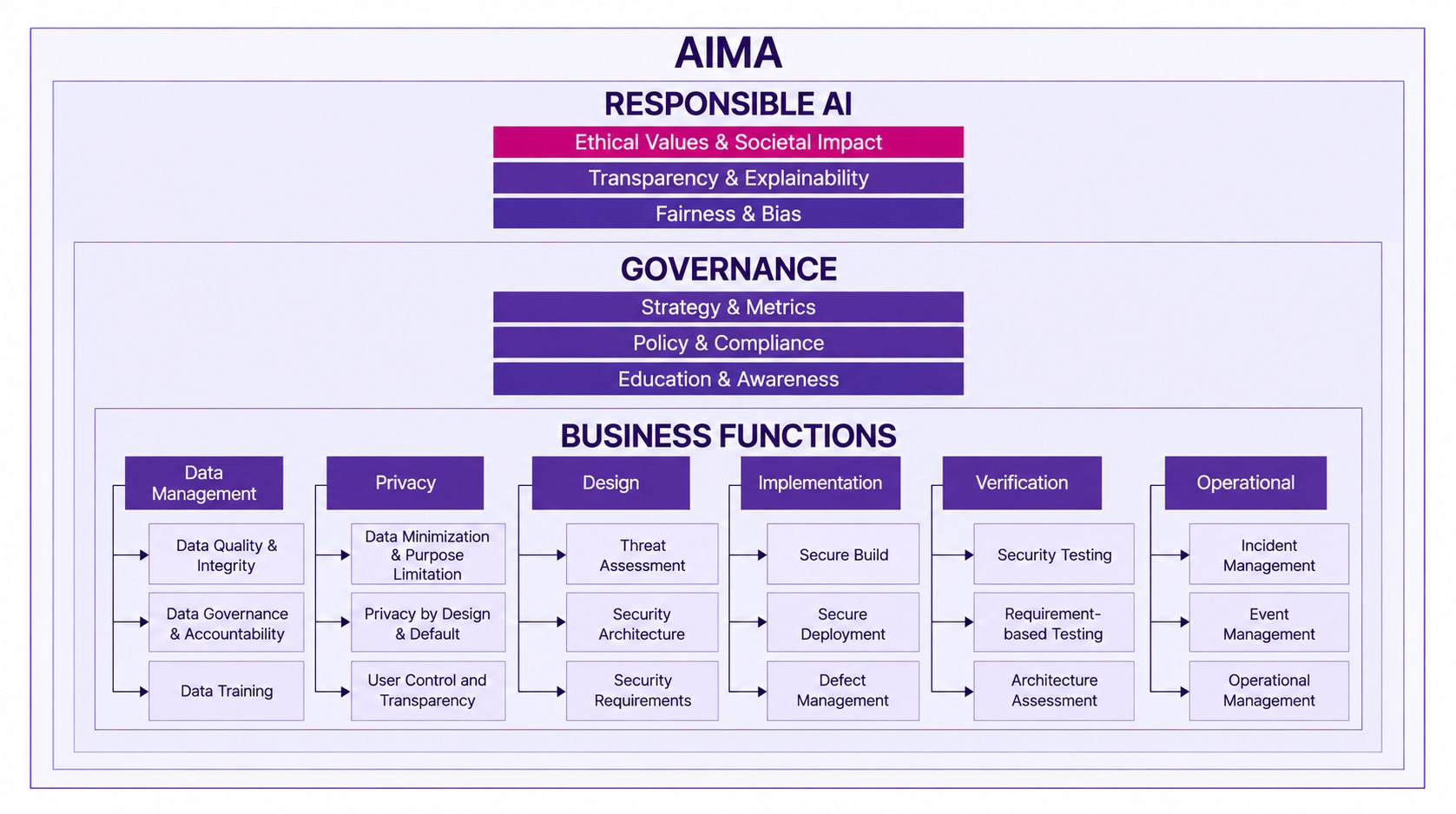
Figure 1: The OWASP AI Maturity Assessment (AIMA)
It is, in essence, the first structured maturity model to operationalize what ISO 42001 requires at the governance level and connect it to concrete engineering practices.
Maturity models of this kind are graded, not binary. AIMA inherits the three-level scale of OWASP SAMM and applies it to each of its eight domains: level 1 describes practices that are acknowledged but ad hoc; level 2 describes defined and repeatable processes; and level 3 describes governance that is measured, automated and continuously audited. That scale is used throughout the rest of this article, and it matters for one reason: it turns “do you govern AI?” into a question with a verifiable answer.
The architecture of integration
ISO 27001 is the foundation. It establishes the core management system structure: risk assessment, control objectives, policies, audit mechanisms and continuous improvement. In practice, it remains the load-bearing layer of most digital trust programs—not because the other two standards formally require it, but because it is the management system many organizations already have in place, audit regularly and know how to operate.
ISO 27701 has become a standalone system management. Its 2019 edition was explicitly an extension of ISO 27001 and ISO 27002 and could not be certified without an existing ISMS. The 2025 edition, published in October 2025, removes that dependency: it is a standalone privacy information management system standard with its own Clauses 4 to 10, aligned with the ISO harmonized structure. Organizations certified to the 2019 version have until October 2028 to transition.
|
Where ISO 27001 asks, “Is this information asset protected?”, ISO 27701 asks, “Is the personal data within that asset processed lawfully, minimized and governed across its full lifecycle?” The privacy lens is no longer bolted onto a security foundation; it now stands alongside it within the same architecture
|
For organizations holding both certifications, alignment remains straightforward. What has changed is that integration has become a deliberate design choice rather than a structural obligation—which is precisely why it now has to be governed deliberately.
ISO 42001 is a parallel layer. Like the current edition of ISO 27701, it is a standalone management system standard and was not designed as an extension of ISO 27001. But it shares the same high-level structure (Annex SL), which means its governance mechanisms, risk processes and audit logic are directly interoperable with ISO 27001.
Where the two standards diverge is in what they govern: ISO 42001 addresses risks that are fundamentally different in nature—probabilistic, emergent and often only visible in aggregate over time. Bias in a model, drift in performance, unintended outcomes at scale—these risks do not appear in a vulnerability scan. They require a separate governance layer, applied orthogonally to security and privacy controls.
The result is a three-layer architecture:
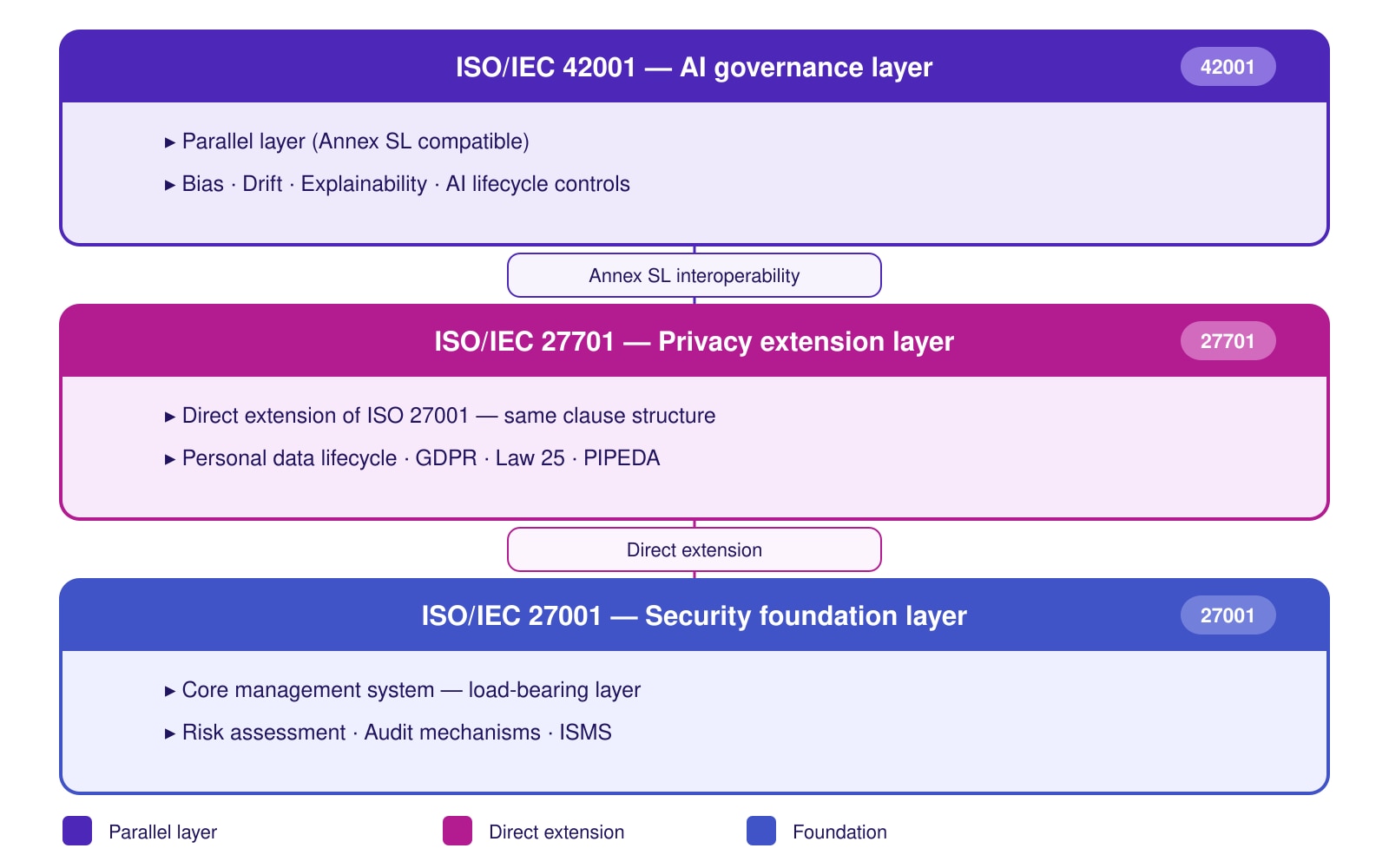
Figure 2: Three-layer digital trust management system (DTMS) architecture
This architecture matters because it shows where integration is natural and where it must be engineered.
Security and privacy share a management system—they can be governed by the same team, using the same audit cycle, with an expanded scope. The controls overlap significantly: access management, data classification, incident response and vendor risk apply to both domains simultaneously.
AI governance requires something different. Its risks surface at the intersection of all three domains: an AI system that processes personal data to make a consequential decision on critical infrastructure is simultaneously a security risk, a privacy risk and an AI governance risk. No single framework captures the full risk, nor can any siloed team see it in its entirety.
This is precisely why the three standards must be governed together—not because certification bodies recommend it, but because the systems organizations are building make it structurally necessary.
In practice, this means governing the full lifecycle of modern digital systems across three dimensions:
- Data must be protected and governed → Privacy
- Systems must be secured and resilient → Information security
- AI must be controlled, transparent and accountable → AI governance
Leading organizations are already integrating these disciplines into a single management framework, not as a compliance shortcut, but as the only governance model that reflects what their digital systems actually are.
The result is a unified approach to the digital trust management system: Information security ensures information systems are secure. Privacy ensures data is used responsibly. AI governance ensures intelligent systems remain trustworthy. Together, these disciplines define the next generation of governance for the digital economy.
A digital trust management system is therefore not only about protecting systems, but also about preserving enterprise integrity, and ultimately, protecting society.
From security programs to digital trust
Traditionally, organizations built cybersecurity programs. Then they added privacy programs. Now they are introducing AI governance programs. But managing these separately creates complexity, duplicated controls and governance gaps. The future lies in integrating them into a single strategic capability: digital trust.
The shift from security programs to digital trust is not cosmetic; it reflects a genuine change in what failure looks like. Security protects systems, and a security failure can leave them compromised or unavailable. Privacy protects individuals, and a privacy failure can mean personal data is exposed. AI governance protects decision integrity, and an AI governance failure can corrupt decisions quietly and at scale, often without being detected.
That third category of failure cannot be detected by security information and event management (SIEM), surfaced by privacy audits or caught by penetration tests.
It requires a governance model designed from the ground up to see across all three domains simultaneously. Together, they define how organizations build trusted digital ecosystems in the age of intelligent systems.
Making digital trust a shared responsibility
Digital trust requires organizations to understand how security, privacy and AI risks interact within the same systems. A digital trust management system brings these disciplines into a shared governance structure, helping teams assess risks together and clarify who is accountable for decisions. The next challenge is translating that integrated approach into everyday practices across the system lifecycle.