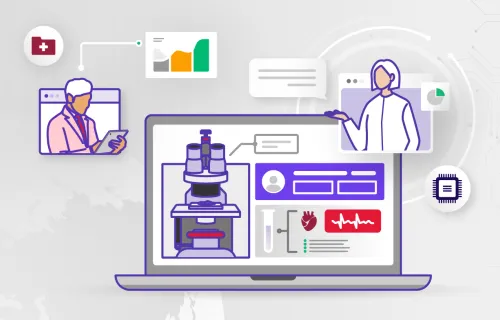

AI is changing our world fast, and its shaking things up in cybersecurity too. People often talk about AI as a great way to protect systems, but it's also a powerful weapon for attackers. This creates an interesting and tricky situation. In this article, we'll look at how AI works both ways in cybersecurity, checking out the good and bad on each side of the digital fight.
AI's integration in our daily lives
Artificial Intelligence (AI) has seamlessly integrated itself into our daily routines, enhancing convenience, fostering connectivity, and shaping a future where technology and human life intersect more closely than ever before. From powering search engines that deliver precise results, to enhancing our online shopping experiences with personalized recommendations, AI is at the forefront of digital innovation.
The widespread adoption of AI introduces significant vulnerabilities across society. Security vulnerabilities include adversarial attacks, where manipulated inputs trick AI systems (e.g., causing misidentification or bypassing filters), and data poisoning, where attackers corrupt training data to intentionally skew AI behavior or create backdoors. Privacy can be compromised through models inadvertently leaking sensitive training data or enabling mass surveillance via tools like facial recognition. Biases in AI algorithms, learned from skewed data, can lead to discriminatory outcomes in critical areas like loan applications or hiring. Furthermore, generative AI facilitates manipulation through easily created deepfakes used for scams or propaganda, and the spread of AI-generated misinformation ('hallucinations'). The inherent unpredictability or opacity ('black box' nature) of some AI systems can also hide exploitable flaws, especially dangerous in critical infrastructure or autonomous systems.
Artificial Intelligence (AI) is reshaping a multitude of sectors, with cybersecurity standing out as a notable example. Organizations are progressively integrating Artificial Intelligence (AI) with conventional tools and possessing such intelligence can equip organizations with an advantage in pre-empting future attacks and contribute to a reduction in IT expenditures for businesses. A research report from Acumen projected that the worldwide market for cybersecurity AI-enabled solutions, valued at close to US$15 billion in 2021, is expected to surge to approximately US$134 billion by 2030.
AI as the defender: Strengthening our digital fortresses
Given AI’s inherent ability to analyze vast data sets and discern patterns, it is uniquely positioned to undertake tasks such as:
- Automated threat detection & response: AI plays a crucial role in identifying new threats to organizations through automation. By employing sophisticated algorithms, AI can analyze network activity to detect anomalies and mitigate threats before they escalate or identify advanced cyberattacks, including zero-day exploits.
- Vulnerability management: AI can scan the system to identify known weaknesses and reduce patching efforts based on risk factors. AI can also predict potential weaknesses based on analysis and historical data, allowing organizations to address weaknesses before being exploited.
- Incident response: Using AI, the incident response processes can be automated, such as isolating infected systems, blocking malicious traffic and containing violations. This reduces the time required to respond to an attack, minimizing damage and preventing its propagation.
- Fraud detection: AI can actively monitor and detect user behavior and logins to prevent account takeovers, analyze real-time credit card transactions for anomalies and scrutinize insurance claims using NLP and image recognition to find inconsistencies. It can also verify application data and documents to expose synthetic or stolen identities.
- Security intelligence: AI-powered tools enhance security intelligence by generating comprehensive reports, analyzing complex codebases and streamlining security processes. These capabilities allow cybersecurity teams to respond to threats proactively and reduce the manual burden on analysts.
AI as the attacker: A new era of cyber offense
While AI offers significant defensive advantages, its offensive power is equally attractive and potentially more worrying. Cybercriminals exhibit a relentless and resourceful nature and here are various methods through which they are harnessing AI to their advantage:
- Social engineering: With AI, cybercriminals can automate many of the processes involved in social engineering attacks, as well as craft volumes of personalized, sophisticated, and effective messages such as phishing emails to deceive their victims, thereby increasing their success rate.
- Password decryption: Cybercriminals leverage AI to enhance the algorithms they use for cracking passwords. These improved algorithms enable quicker and more accurate password guessing, making hackers more efficient and profitable.
- Data poisoning: In data poisoning attacks, hackers manipulate or “poison” the training data used by an AI algorithm, influencing the decisions it ultimately makes. In essence, the algorithm is fed deceptive information, which demonstrates the principle that bad input results in bad output.
- Malware development: AI can be used to create more sophisticated and evasive malware. AI-powered malware can learn from its environment and adapt its behavior to avoid detection. It can also be designed to target specific individuals or organizations, making attacks more effective.
The balancing act: Navigating the AI cybersecurity landscape
As the realm of AI continues to evolve, it brings with it concerns about data privacy and risk management for individuals and businesses alike. Regulators are contemplating strategies to harness the potential of AI while minimizing its potential adverse impacts on society.
The duality of AI in cybersecurity presents a complex challenge. Although we should take advantage of AI's defensive abilities to protect us from increasingly sophisticated attacks, we must also be aware of its potential for offensive use. This requires a multifaceted approach advocating responsible use of AI for organizations and users:
Organizations
1. Understand the threat landscape for AI: The MITRE ATLAS framework is a valuable resource security teams can glean insights from past AI security breaches that have impacted AI applications, as well as incidents that have occurred at companies with similar workflows. It’s advisable to review these generalized threats, identify those pertinent to your team’s specific AI ecosystem, and adapt them as necessary. This proactive approach will keep you informed and prepared in the dynamic landscape of AI security.
2. Augment, don’t replace, your teams with AI and ML: No system in the market today is completely foolproof, and vulnerabilities will persist as even advanced systems can be tricked by ingenious attack methods. Therefore, it’s crucial that your IT team learn to support this evolving technology, rather than being replaced by it.
3. Regularly update your data policies: With data privacy becoming a central concern for regulatory bodies worldwide, it’s likely to remain a top priority for most enterprises and organizations for the foreseeable future. Ensure you stay compliant by routinely updating your data policies in line with the most recent legislation.
Users
1. Safeguarding your data privacy and confidentiality: To protect your data, adhere to these guidelines, when interacting with AI systems such as LLM-based GenAI tools:
- Minimize the disclosure of personal or confidential information in AI-mediated conversations.
- Adopt a Zero Trust model - trust nothing by default, verify users and devices continuously, limit access, and monitor for threats
2. Maintaining vigilance against social engineering and AI-generated content: Cybercriminals can manipulate AI technologies to fabricate deceptive content or distort conversations. To mitigate this risk:
- Authenticate the credibility of information received from AI-based sources.
- Maintain a healthy skepticism towards unsolicited messages or requests for sensitive information.
3. Understanding AI ethics and bias: As an end user, it’s essential to acknowledge the limitations as you engage with AI technologies. Be aware of potential biases in AI-generated content and stay informed about the ethical implications of AI technologies
Conclusion:
By understanding the risks and challenges, and by adopting a proactive and ethical approach, we can harness the power of AI to create a more secure digital future. The cybersecurity landscape is constantly evolving, and AI is playing a central role in this evolution. Organizations’ ability to adapt and innovate will determine their success in this new era of cyber warfare.
At CGI, we believe in empowering every one of our CGI Partners with the right AI tools and technologies to enhance their productivity, creativity, and well-being in line with our Responsible Use of Technology policies (data, AI and cloud).
CGI is a trusted AI expert, helping clients navigate AI's complexity and deliver it responsibly. We combine end-to-end capabilities in data science and machine learning with domain knowledge to generate new insights and business models powered by AI.
By being our own client and responsibly integrating AI into our operations, services and solutions—we accelerate outcomes for CGI Partners, clients and shareholders.
References
1. Harvard Business Review (mai 2019). When AI Becomes a Part of Our Daily Lives.
2. McKinsey & Company (14 novembre 2024). The cybersecurity provider’s next opportunity: Making AI safer.
3. Acumen Research and Consulting (juillet 2022). Artificial Intelligence in Cybersecurity Market Analysis - Global Industry Size, Share, Trends and Forecast 2022 - 2030.
4. The Wall Street Journal (2025). GenAI Increasingly Powering Scams, Wall Street Watchdog Warns. Risk & Compliance Journal.